
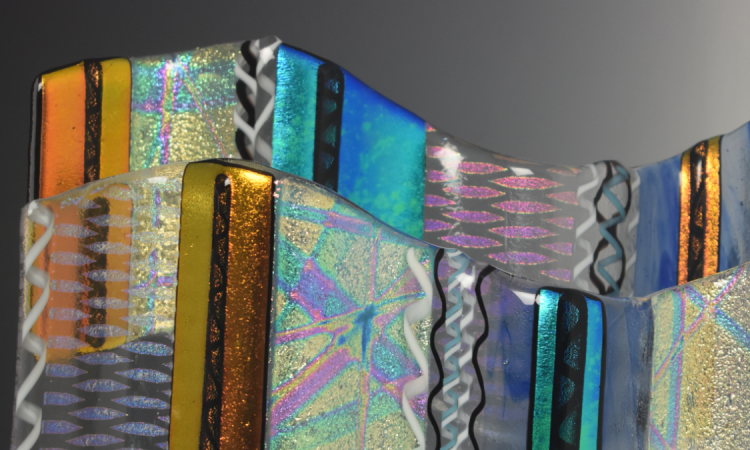
Studio artists often look for materials that allow freedom while still offering control. Fusible glass has become a strong choice for this reason. It supports detailed planning and open-ended exploration at the same time. By layering glass and applying heat, artists can shape color and form into expressive outcomes. The process encourages patience and awareness rather than rushed production. Many creators find that working with fusible glass improves focus and decision-making. Each project becomes a balance between intention and response. This approach suits studio environments where experimentation and reflection are valued.
Fusible glass also fits well into evolving studio practices. The material responds clearly to changes, making learning visible and rewarding. Over time, fusible glass becomes more than a technique. It becomes a creative partner that supports growth, versatility, and thoughtful expression within studio art settings.
Studio Exploration
Studio exploration with fusible glass begins by understanding how materials react to heat and placement. Artists often test ideas through small studies before larger works. Reliable art glass supplies help maintain consistency during this phase, allowing creators to focus on exploration rather than correction. When materials behave predictably, artists feel confident trying new approaches. This exploration strengthens creative awareness and encourages curiosity. Over time, studios become spaces of ongoing discovery where fusible glass supports continuous learning.
Material Versatility
Material versatility is one of the key strengths of fusible glass in studio art. Artists can adjust thickness, texture, and color based on creative goals. This flexibility supports a wide range of applications.
Fusible glass adapts easily to different concepts. Artists can shift styles without changing their core process. This versatility keeps studio work engaging and flexible.
- Layering options allow artists to revise designs without discarding earlier creative decisions
• Texture variety supports surface experimentation and visual depth exploration
• Color flexibility helps adjust tone and mood across different studio projects
Form Development
Form development plays a central role in fusible glass studio work. Artists shape forms gradually through thoughtful placement and heat control. Each stage contributes to the final structure.
This process allows artists to study balance and proportion closely. Small changes create noticeable differences. Over time, artists gain confidence in shaping intentional forms. Fusible glass supports both simple and complex structures. This adaptability makes it suitable for varied studio practices. Artists learn to guide form while respecting material behavior.
Layering Methods
Layering methods influence how depth and movement appear in fusible glass pieces. Artists use layers to build interest and guide viewer attention. Each layer adds meaning.
Layering encourages careful planning. Artists consider transparency and overlap before firing. This approach strengthens visual clarity.
- Strategic layering creates depth without overcrowding the visual space
• Overlapping elements guide focus and improve composition balance
• Controlled stacking supports smooth fusion and stable outcomes
Light Interaction
Light interaction enhances fusible glass work within studio environments. Glass responds uniquely to light, revealing texture and color shifts. Artists often plan pieces based on how light will pass through them.
Transparent sections allow light to travel freely. Opaque areas create contrast and focus. This interaction adds movement and vitality to static forms. Artists experiment with placement to achieve desired effects. Light becomes part of the design rather than an afterthought. This quality makes fusible glass especially engaging in studio displays.
Creative Techniques
Creative techniques evolve as artists gain experience with fusible glass. Studio practice allows time to refine methods and test variations. Each project builds skill and confidence.
Artists learn to adjust firing schedules and placement strategies. Technique growth supports better outcomes.
- Repeated practice improves heat control and surface consistency
• Technique variation encourages exploration without abandoning familiar processes
• Skill refinement reduces errors and increases creative confidence
Mixed Media
Fusible glass works well alongside other studio materials. Artists combine it with metal, wood, or found elements to expand expression. This integration supports mixed media exploration.
Combining materials introduces contrast and texture variety. Artists must consider balance and compatibility. Fusible glass adds light and transparency to heavier elements. This contrast strengthens visual impact. Studio artists enjoy how fusible glass enhances mixed compositions without overpowering them. The medium adapts well to collaborative and experimental studio environments.
Process Control
Process control is essential in fusible glass studio art. Artists manage preparation, firing, and cooling stages carefully. Control improves reliability and reduces waste.
Studio routines help maintain consistency. Artists document settings and outcomes for future reference. This discipline supports steady improvement. Over time, process control becomes intuitive. Artists gain confidence in predicting results. This reliability allows greater creative freedom within the studio.
Skill Expansion
Skill expansion occurs naturally through continued studio practice. Fusible glass rewards patience and observation. Artists improve through repetition rather than pressure.
Skills transfer into other creative areas. Understanding heat and layering improves overall craftsmanship. Artists become more adaptable and thoughtful. Fusible glass supports growth without forcing complexity too early. This gradual learning strengthens long term studio engagement and creative satisfaction.
Studio Adaptation
Studio adaptation refers to how fusible glass fits different working styles. Artists adjust scale, pacing, and technique based on available space and goals. The process remains flexible.
Studios benefit from organized workflows. Fusible glass supports small studies and larger works equally. Artists appreciate the ability to adapt projects without major changes. This adaptability makes fusible glass suitable for long term studio practice. It grows with the artist rather than limiting progress.
Lasting Practice
Lasting practice develops when artists find materials that support growth and satisfaction. Fusible glass offers this through flexibility and clarity. Studio artists who invest time gain confidence and control. Choosing dependable art glass supplies helps reduce technical distractions and maintain consistency. This support allows focus on creative intent rather than limitation. Over time, fusible glass becomes a reliable studio medium that encourages exploration, strengthens skill, and supports meaningful artistic expression.