

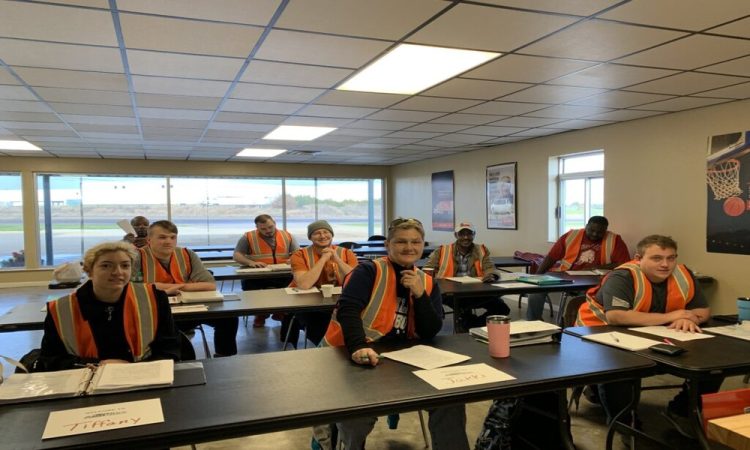
A three week Class A trucking course can feel like a fast-forward button on your future. The promise? In less than a month, you go from a trucking rookie to a professionally trained driver, ready to hit the open road.
Starting Your Journey: Why Choose a Three Week Class A Trucking Course?
The transportation industry is hungry for new drivers, and a Class A Commercial Driver’s License (CDL) unlocks opportunities to move everything from produce to machinery across the country. With steady pay, benefits, and the freedom of the road, it’s easy to see the appeal. Intensive programs like these are designed for people who want to launch their careers quickly, whether you’re switching jobs, seeking stability, or drawn to the independence trucking offers.
Who benefits most from this kind of program? Anyone willing to focus, learn fast, and commit to a packed schedule. These courses are especially well-suited for complete beginners, as well as career changers eager for a fresh start. The quick turnaround means you won’t be stuck in months of training, but it does require dedication.
One student summed up the experience in a recent review: “I joined this school with no prior experience with trucks and had my license in a month. The instructors are great and were very patient with me as a beginner.” Stories like this are common at places like DTR Truck Driving School, where students are guided from zero to licensed in just three weeks.
Week 1: Building a Foundation – Classroom Training and Industry Insights
The first week is all about laying groundwork. Here, you dive deep into trucking regulations, safety standards, and the technical side of the vehicles you’ll operate. Expect to cover topics like Department of Transportation rules, hours of service, and best safety practices. You’ll also become familiar with truck components, learning how brakes, transmissions, and other systems work.
Much of this time is spent preparing for the CDL written exam. The schools provide focused instruction and sample tests, ensuring you understand both the letter and the spirit of the law. One recent graduate recalled how these classroom sessions made all the difference: “The classroom training made the written test a breeze. I felt prepared going in, and I passed on my first try.”
Week 2: Hands-On Skills – Pre-Trip Inspections and Basic Maneuvers
This is when things get real. The second week moves from books to blacktop as you learn to perform the all-important pre-trip inspection, a critical step in every truck driver’s routine that ensures your vehicle is roadworthy and safe. Students spend significant time on the training range, practicing backing, turning, and parking until each move feels automatic.
Transitioning to real-world driving scenarios can be intimidating at first. Many students struggle with backing a trailer, but with patient guidance and repeated practice, most find their rhythm. One trainee admitted, “Backing was scary at first, but the instructors broke it down into simple steps. By the end of the week, it felt almost natural.”
Week 3: On-the-Road Experience and Test Preparation
The final stretch is all about putting your skills into action. Under the supervision of experienced instructors, you’ll drive on highways and city streets, navigating traffic, practicing emergency maneuvers, and handling unexpected situations. There’s a strong focus on building your confidence and calm behind the wheel.
Physically and mentally preparing for the DMV road test is the last big hurdle. Schools help students manage nerves and fine-tune their driving techniques. As one new graduate put it, “I was nervous for the test, but after three weeks of steady practice, I felt ready. Passing the road test was one of the best moments of my life.”
Beyond the Course: What Comes After Graduation?
Graduating is a major accomplishment, but it’s not the very end. Many states require a short wait for DMV testing slots. However, schools that can test on-site help you get licensed faster and avoid long delays. Job placement assistance is another key benefit, with many schools partnering directly with local and national trucking companies.
Recent alumni often share tips with new grads: stay persistent, keep practicing, and don’t be afraid to ask questions during the job hunt. The trucking community is tight-knit, and many drivers find their first job through recommendations or school connections.
Overcoming Challenges During the Course
The pace is fast, and balancing intense training with outside responsibilities can be tough. Common hurdles include juggling coursework, overcoming fear of large vehicles, and managing test anxiety. Fortunately, instructors are seasoned at helping students through rough patches. They offer personalized feedback and encouragement, making sure no one falls behind.
One student shared their journey through setbacks: “I failed my first parking test, but my instructor made sure I understood what went wrong. I stayed late, practiced, and passed the next day.”
Additional Resources and Support Offered by Trucking Schools
Modern trucking schools offer more than just on-site instruction. Scheduling apps let students book practice sessions, track progress, and communicate with instructors. For those who need extra help, refresher courses and skills upgrades are available. Being part of a supportive community means access to mentorship, alumni networks, and ongoing advice as you launch your career.
Final Thoughts: Is a Three Week Class A Trucking Course Right for You?
Intensive training is not for everyone. The pros include rapid entry into a stable, high-demand career and a focused curriculum that wastes no time. The main challenge is the compressed schedule, which demands focus and commitment. Preparing yourself physically and mentally beforehand will make the journey smoother.
Most importantly, students and alumni alike agree: the investment pays off. With the right mindset and a willingness to work hard, a three week Class A trucking course could be the fast track to a whole new future.