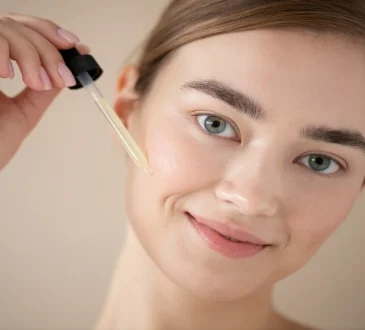

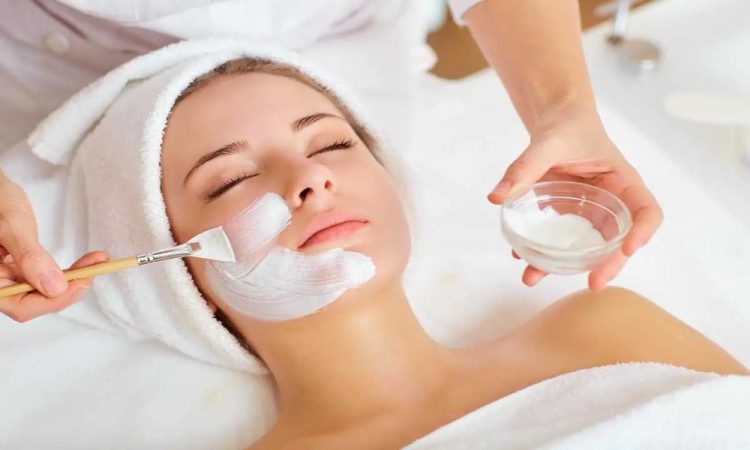
Facial rejuvenation covers a wide range of cosmetic options, so the first challenge is often knowing where to start. The goal is usually the same: improve tone, texture, volume, or fine lines in a way that fits the face and the concern. The variety can feel a little overwhelming at first glance. That is why it helps to break the decision into a few clear steps.
Start With the Main Concern
The best place to begin is by naming the issue as clearly as possible. Many people look at facial rejuvenation treatments as one broad category, but each option is meant for a different concern. Fine lines, dull tone, acne scars, volume loss, and uneven texture rarely respond to the exact same method. This step sounds simple, yet it saves time and confusion. If the concern is facial volume loss, fillers may make more sense than a peel. If the concern is rough texture or acne scars, microneedling or resurfacing may come up sooner.
Match the Treatment to the Result
Some treatments work on muscle movement, while others work on volume or surface quality. Wrinkle reducers such as Botox or Dysport are commonly used for expression lines, while dermal fillers are used to restore volume, smooth folds, and contour features. Chemical peels are used for wrinkled, blotchy, or sun-damaged skin, and microneedling is used to improve texture, pores, fine lines, and acne scars.
Treatments Often Chosen for Specific Concerns
- Wrinkle reducers for dynamic lines
- Fillers for volume loss and folds
- Microneedling for texture and acne scars
- Chemical peels for tone and sun damage
- HydraFacial or facials for surface refresh
These pairings help narrow the field before any consultation begins. They also show why the same face may benefit from more than one approach.
Think About Downtime and Comfort
Some facial options are quick with little interruption, while others may leave redness, peeling, or a short healing period. Microneedling, for example, is described as minimally invasive, and injectables are also framed as non-surgical or minimally invasive. Comfort level also shapes the decision. A person who dislikes needles may lean toward facials, dermaplaning, or certain laser or light services before trying injectables. Someone focused on deeper wrinkles may accept a more involved approach if the target concern calls for it.
Look at Skin Type and Skin History.
Skin type affects how a treatment performs and how the skin reacts after it. The aesthetic dermatology page says it can be hard to know what is appropriate for a specific skin type. Someone with acne scars, pigmentation concerns, or sensitive skin may need a different path than someone focused on volume loss alone. Sun damage, prior treatments, active breakouts, and scarring can all influence what makes sense next. A peel that works well for one person may be too aggressive for another. Good choices come from reading the skin as it is, not as it looked five years ago.
Choose a Plan, Not a Miracle Fix
The aesthetic services present a broad menu because tone, volume, fine lines, and texture often overlap. Someone may use fillers for volume, microneedling for texture, and skin care products for maintenance. Facial rejuvenation treatments are usually about improvement and refreshment. Small, well-chosen steps tend to look more natural and feel easier to maintain. In the end, the best treatment is the one that fits the concern, the skin, and the pace that feels right.
Choosing facial rejuvenation options gets easier once the focus shifts from hype to fit. Start with the main concern, compare what each treatment is meant to do, and factor in recovery, skin type, and long-term goals. That process cuts through the noise and makes the decision feel far less random.