
Key Takeaways
Friction stir welding (FSW) stands apart from traditional welding methods by utilizing mechanical friction instead of heat generated from an arc or flame. This leads to stronger and more dependable welds.
Moreover, FSW minimizes distortion and residual stress in welded components, which is critical for industries where dimensional accuracy is paramount, especially in aerospace and automotive sectors.
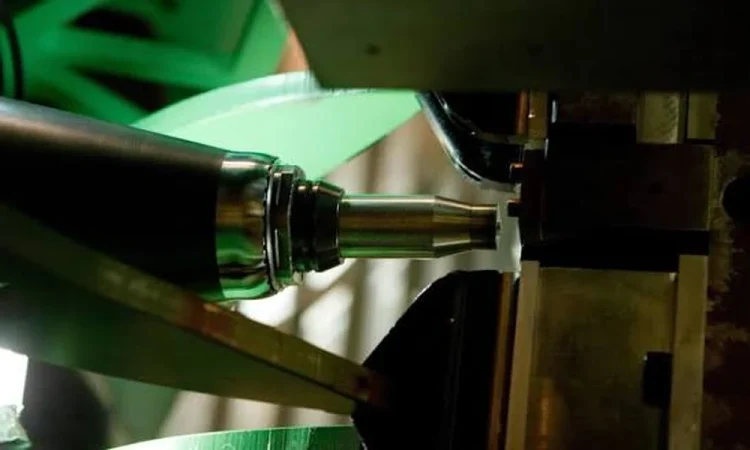
The process involves a rotating tool that creates heat through friction, softening materials and allowing for the creation of solid joints without melting them.
Aerospace manufacturers leverage FSW’s capacity to produce lightweight yet strong components, ultimately boosting aircraft performance and fuel efficiency.
Similarly, in the automotive sector, FSW is increasingly preferred for battery enclosures and structural components, given its ability to join dissimilar materials while maintaining durability.
Selecting the right FSW technology entails thorough evaluation of material compatibility, tool design, process parameters, and ongoing support to ensure optimal weld quality.
Looking ahead, emerging trends in FSW point toward greater automation and AI integration, promising enhancements in precision, efficiency, and predictive maintenance in manufacturing processes.
Opening up the Science of Friction Stir Welding
What Makes FSW Different from Traditional Welding Techniques?
Friction stir welding (FSW) signals a remarkable transformation from traditional welding techniques. Unlike methods such as arc or gas welding that heavily rely on heat from an arc or flame, FSW utilizes mechanical friction to fuse materials. This innovative method incorporates a rotating tool generating enough heat through friction with the workpieces. As the tool travels along the joint, it softens the materials, enabling them to bond without melting. The outcome? Welds that tend to be stronger and more dependable.
Professionals emphasize that FSW confers significant advantages, especially in reducing distortion and residual stress in welded components. Why does this matter? Distortion can result in dimensional inaccuracies, a major concern in precise fields like aerospace and automotive. With friction stir welding, the material is exposed to lower thermal input, which enhances dimensional stability following the weld. This aspect further solidifies the quality commitment expected in these industries.
The Intricacies of the Friction Stir Process Explained
Picture a high-speed tool swiftly navigating a sheet metal interface, generating heat and transforming two materials into a solid joint. This encapsulates the core of FSW. The tool comprises a rotating pin complemented by a larger shoulder that traverses the joint between two workpieces. As the process initiates, the pin engages with the materials, building heat rapidly through friction. Within seconds, the interface softens, forging a bond that can be more robust than the original materials.
In practical settings, the importance of tool design and parameters cannot be overstated. Excessive rotational speed may lead to excessive heat and weakened welds, while insufficient speed can result in incomplete bonding. Professionals engaged with FSW stress the necessity for precision in tool geometry and process parameters. Selecting the right approach can significantly affect the weld’s integrity and quality. It’s a delicate balance, one that experienced engineers refine over years. Variations in these settings can create noticeable outcomes, reinforcing that this technology merits thorough understanding.
Applications of Friction Stir Welding in High-Performance Industries
How FSW is Redefining Aerospace Manufacturing Standards
Aerospace is a field characterized by precision, performance, and safety. In this domain, FSW’s unique characteristics come to the forefront. Conventional welding methods often introduce vulnerabilities in aerospace structures, largely due to significant thermal input, which can jeopardize material properties crucial for vital applications. Through the integration of friction stir welding, manufacturers can produce components that offer remarkable strength and lightweight features, essential for enhancing aircraft performance.
Recent case studies reveal that companies implementing FSW in their manufacturing processes achieve lighter components while retaining structural integrity. These components undergo rigorous testing to endure harsh conditions, making successful welds essential. For example, FSW is employed in fuselage sections and wing structures, where weight reduction can markedly improve fuel efficiency. Clearly, the aerospace industry stands to gain immensely from modern welding techniques.
The Impact of FSW in Automotive Industry Innovations
The automotive industry is no stranger to innovation. With the recent shift toward lighter materials like aluminum and magnesium, there’s an increasing need for welding techniques that ensure durability while minimizing weight. FSW aligns seamlessly with this requirement. The automotive sector thrives on developments like electrification and hybrid technology, thus requiring FSW to ensure join integrity without the drawbacks associated with traditional welding methods.
Many automotive brands are now adopting friction stir welding for battery enclosures and structural components that meet high-performance criteria. They need assurance of low failure rates during operation. Furthermore, FSW’s capability of joining dissimilar materials is particularly valuable in contemporary automotive design. This function boosts overall vehicle performance while adhering to strict safety regulations. The impact of FSW in catalyzing innovations is profound; it significantly propels the industry towards a more sustainable and efficient future.
Choosing the Right FSW Solutions for Your Business
Key Factors to Consider When Selecting FSW Technology
Investing in friction stir welding technology may seem daunting, but concentrating on key factors simplifies the decision-making process. Here are some crucial considerations:
- Material Compatibility: Understand the materials involved and their behavior under welding conditions.
- Tool Design: Opt for tools that match the desired weld profile and adapt to various projects.
- Process Parameters: Explore how control over rotation speed and travel speed influences weld quality.
- Support and Training: Look for providers offering ongoing training and technical assistance.
- Budget Considerations: Evaluate the cost against long-term benefits; investing in quality can minimize rework and downtime.
Making a well-informed choice regarding FSW technology involves acknowledging its long-term impacts on productivity and quality. Businesses willing to ask the challenging questions will ultimately reap the benefits.
How RAMTECH Stands Out in the FSW Marketplace
When companies contemplate investing in friction stir welding, RAMTECH’s extensive expertise often stands out. Recognized for its innovative solutions, RAMTECH provides not just equipment but a comprehensive approach tailored to clients’ specific needs. Their deep understanding of high-performance requirements combines advanced engineering with user-friendly interfaces, easing the learning curve for end-users. At the heart of the mission is enabling businesses to excel.
Furthermore, RAMTECH’s emphasis on vacuum coating solutions enhances its FSW offerings, positioning the company as a top-tier supplier in the marketplace. Clients consistently highlight the impressive balance between cutting-edge technology and personalized service. This synergy empowers industries to tackle demanding projects with confidence. For companies seeking a dependable partner in their welding journey, RAMTECH clearly emerges as a leader. Their unwavering commitment to quality assurance guarantees that products meet the stringent standards expected in contemporary manufacturing environments.
The Future of Friction Stir Welding: Trends and Predictions
What’s on the Horizon for FSW in Advanced Manufacturing?
The journey of friction stir welding remains dynamic. As industries prioritize sustainability and efficiency, FSW is well-aligned with these trends. Emerging directions focus on bolstering automation in manufacturing environments; precision and speed are critical. The continual push towards lightweight yet strong materials will escalate the demand for FSW capabilities.
Additionally, collaborations between academia and industry are gaining traction, targeting the exploration of innovative FSW applications. Both researchers and industry players are captivated by opportunities such as enhanced process controls, leading to fewer defects and greater repeatability. As manufacturing techniques evolve, FSW methods will also adapt, paving the way for integrating this technology into complex manufacturing frameworks.
The Role of Automation and AI in FSW Advancements
Automation is indeed redefining the landscape. In the realm of friction stir welding, the inclusion of artificial intelligence holds great promise for streamlining operations substantially. Picture a manufacturing floor equipped with machine learning algorithms that analyze variables in real-time to optimize welding parameters. The outcome? Consistent and high-quality welds with reduced oversight. Such a future landscape enables human operators to concentrate on more value-added tasks rather than routine monitoring.
The AI integration also paves the way for predictive maintenance. By monitoring tool wear during the welding process, businesses can avert downtime before it disrupts operations. As machining capabilities advance, the scope for precise welding operations broadens, leading FSW into exploratory new territory. As industries pursue excellence, friction stir welding technologies will undeniably play a significant role in shaping the manufacturing future.
FAQ
What types of materials can be joined using FSW?
Friction stir welding is highly effective for joining aluminum, magnesium, and certain titanium alloys. Its unique capability to handle dissimilar materials is invaluable in sectors like automotive and aerospace, where a variety of materials is often necessary for optimal performance.
How does FSW compare in cost to traditional welding methods?
Although the initial investment in FSW equipment may surpass that of traditional methods, the long-term savings resulting from reduced scrap rates and enhanced weld quality typically balance out this cost. Many businesses find that the reliability and durability of FSW ultimately lower overall operational expenses over time.
Can FSW be used for thicker materials, and if so, how?
Yes, FSW can weld thicker materials, often exceeding one inch in thickness, based on the specific material type and tool design. Professionals usually modify tool geometry and process parameters to optimize performance and guarantee robust welds for thicker sections.
What safety measures should be taken when implementing FSW?
Safety is paramount in all manufacturing processes. For FSW, ensuring appropriate machine operation, tool maintenance, and a well-organized workspace helps mitigate risks. Moreover, comprehensive training for operators on equipment use and safety protocols is essential to prevent accidents during the welding process.
How can companies ensure they get optimal support and training for FSW?
Organizations should investigate suppliers with a successful track record in FSW technology, particularly those providing extensive training and continuous technical support. Partnering with suppliers who prioritize education can significantly bolster a team’s effectiveness in utilizing FSW solutions.
What role does process monitoring play in ensuring FSW quality?
Process monitoring is critical for sustaining high-quality welds in friction stir welding. By employing sensors and data analytics, manufacturers can track variables such as rotation speed and travel speed, adjusting parameters in real-time to secure consistent results and diminish defects.
Are there specific industries that benefit the most from FSW?
Industries like aerospace and automotive lead the way in utilizing friction stir welding due to their stringent demands for strength, weight reduction, and precision. Furthermore, sectors focused on renewable energy and advanced manufacturing are increasingly opting for FSW due to its reliability and performance benefits.
What innovations are currently being explored in FSW technology?
Current innovations in FSW technology encompass advancements in automation and AI integration, along with research into new materials and applications. These developments aim to enhance the precision and efficiency of welding operations, fostering opportunities for more sophisticated manufacturing frameworks.
Useful Resources
- American Welding Society (AWS)
- ANSYS – Engineering Simulation Software
- European Welding Technology
- National Institute of Standards and Technology (NIST)
- The Welding Institute (TWI)
- Imperial College London – Materials Science and Engineering
- University of Pennsylvania – Materials Science Research
- Massachusetts Institute of Technology (MIT)